- Calle Enric Taulet, 8 bajo
- 963 526 080
- 980 055 984
- alfa@alfaglobal.es

Discover the psychology behind casino gambling
Die Rolle von Glück und Strategie im Casino
agosto 26, 2026What makes PayID Pokies Australia stand out: Promotions, speed, and game variety
agosto 26, 2026
The Thrill of Uncertainty
The inherent excitement of casino gambling largely stems from the unpredictability it offers. Players are drawn to the thrill of not knowing whether their next bet will yield a win or a loss. This element of chance activates the brain’s reward systems, releasing dopamine, which enhances feelings of pleasure. Many enthusiasts choose to engage with online platforms for this experience, and a popular option is the casino rocket sign up process that many find enticing, creating an exhilarating environment where winning can feel like a triumph against all odds, compelling players to return for more thrilling experiences.
This thrill can often lead to a phenomenon known as «near misses,» where players come close to winning but ultimately do not. These experiences can be extremely motivating; the brain interprets them as opportunities, leading individuals to believe that victory is imminent. This psychological effect often keeps players engaged, encouraging them to continue gambling in pursuit of that elusive win, despite the odds being stacked against them. The allure of «almost winning» fosters a cycle of hope and anticipation that can be difficult to resist.
Moreover, the design of casino games further amplifies this thrill of uncertainty. The vibrant colors, sounds of coins clinking, and celebratory music create an immersive atmosphere that heightens the emotional stakes involved. Casinos are meticulously crafted to evoke feelings of excitement and urgency, making the act of gambling not just a financial endeavor but also an emotional one, where the potential for both joy and despair exists within the same moment. This intricate sensory environment plays a significant role in reinforcing the behavior of players, making each visit to a casino a unique psychological experience.
The Role of Losses and Chasing
Another critical aspect of casino gambling psychology is the phenomenon of loss aversion, where individuals prefer to avoid losses rather than acquire equivalent gains. This principle can lead to «chasing losses,» where players continue to gamble in an attempt to reclaim money that they have lost. The emotional distress that accompanies a loss can cloud judgment, leading players to make irrational decisions. For instance, a player might double down after a significant loss, hoping that a big win could alleviate their monetary woes. This chasing behavior can escalate into problematic gambling, where individuals become trapped in a cycle of risk-taking that only leads to further financial and emotional hardship.
Losses can distort an individual’s perception of risk and reward. The psychological need to restore a perceived injustice drives players to bet even larger amounts in the hope of reversing their financial misfortunes. Many individuals convince themselves that they are just one big win away from turning their luck around, which can lead to reckless betting patterns. This mindset traps players in an emotionally charged cycle where logic is often overshadowed by the desire to regain lost money, resulting in increased financial strain and emotional turmoil.

Additionally, the environment of a casino is designed to encourage this chasing mentality. The lack of windows and clocks creates a timeless atmosphere, while the constant influx of new players and ongoing games instills a sense of urgency. This combination can lead individuals into a mind state where they believe they have more chances to win back their losses, perpetuating a cycle of gambling that can be hard to break free from. The bright lights and lively atmosphere serve as a constant reminder of potential wins, further enticing players to stay and play even when they should walk away.
The Illusion of Control
In the world of gambling, many players develop an illusion of control, believing that they can influence the outcomes of games of chance. This misconception can lead to an increased sense of confidence and risk-taking behavior. For instance, individuals may adopt specific strategies or rituals they believe will enhance their odds, despite the fact that many casino games are purely based on chance. This sense of agency can make the gambling experience even more engrossing, as players feel they are not just passive participants but active players in their fate.
Players might engage in behaviors that enhance their illusion of control, such as choosing specific numbers or using lucky charms. This psychological phenomenon can be linked to the concept of «gamblers’ fallacy,» where players believe that past outcomes affect future probabilities. For example, someone might continue to play a slot machine, convinced that it is «due» for a win after several losses. This belief can keep players engaged for longer periods, as they seek to prove their theories correct through continued play, often leading to significant financial consequences.
The impact of this illusion is profound, as it can lead to increased gambling frequency and greater financial investment. Players often underestimate the house edge and overestimate their ability to impact the game outcomes, which can have long-term consequences on their financial stability. Ultimately, this psychological quirk enhances the allure of gambling, drawing people in with the promise of control in an environment that is fundamentally governed by chance. By fostering an illusion of mastery over random events, casinos create a compelling narrative that keeps players returning, despite the odds being against them.
The Social Aspects of Gambling
Gambling is not merely an individual activity; it is deeply ingrained within social contexts that enhance the overall experience. Many individuals are drawn to casinos for the social interaction they provide, where camaraderie and shared excitement contribute to the enjoyment of the games. This social aspect can create a sense of belonging, making the gambling experience more appealing and allowing individuals to connect with others over their shared pursuit of entertainment. The communal atmosphere can amplify the thrill of winning and the emotional support during losses, fostering relationships built around the shared excitement of gaming.
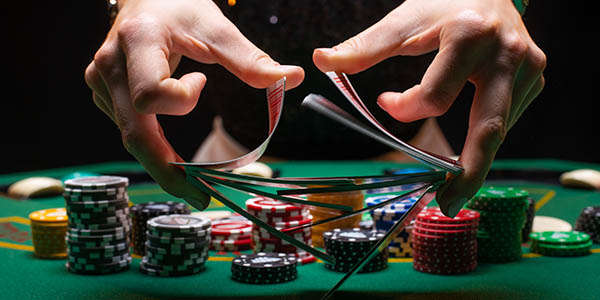
Social gambling can also influence one’s behavior and decision-making. The presence of peers can lead to increased risk-taking, as people are often more impulsive in social settings. The competitive nature of games can amplify the stakes, encouraging individuals to gamble more than they might alone. Moreover, the shared enjoyment of winning creates a bond among players, reinforcing the desire to return to the casino environment. This social dynamic can lead to a sense of collective excitement that drives participation, making the experience more than just a personal endeavor.
Furthermore, casinos often host events and tournaments that facilitate social interaction while gambling. These gatherings can create a festive atmosphere, making it more likely for individuals to gamble for longer periods. The combination of competition and community can enhance the experience, contributing to the potential for developing a habit or addiction. The social engagement, paired with the thrill of gambling, creates a dynamic that can significantly impact the psychology of players. As players celebrate victories together or console one another during losses, the social fabric of gambling becomes a powerful motivator for continued participation.
Understanding Gambling on Our Website
At our website, we delve into the multifaceted psychology of gambling, offering insights into why individuals are drawn to casinos. We explore various aspects such as the thrill of chance, the consequences of chasing losses, the illusion of control, and the community experience that enhances gambling. Our aim is to provide comprehensive knowledge that can aid individuals in making informed decisions about their gambling habits. By understanding the psychological factors at play, players can navigate the complexities of gambling with greater awareness.
Whether you’re a casual player or someone seeking to understand the dynamics of gambling, our resources are tailored to foster awareness and promote responsible gaming. We emphasize the importance of understanding the psychological triggers that influence gambling behavior, empowering our audience to engage with the activity in a thoughtful and mindful manner. Knowledge is key in navigating the casino landscape, and our website serves as a valuable tool in that journey. By providing insights and resources, we hope to create a safer and more informed gambling environment.
We believe that an educated approach to gambling can significantly reduce the risks associated with it. Our content is designed not only to inform but also to encourage healthy gambling practices. By highlighting the psychological aspects of gambling, we aim to create a platform that supports players in making choices that are not only enjoyable but also sustainable. Join us as we explore the fascinating world of gambling psychology and its implications for players everywhere.
